



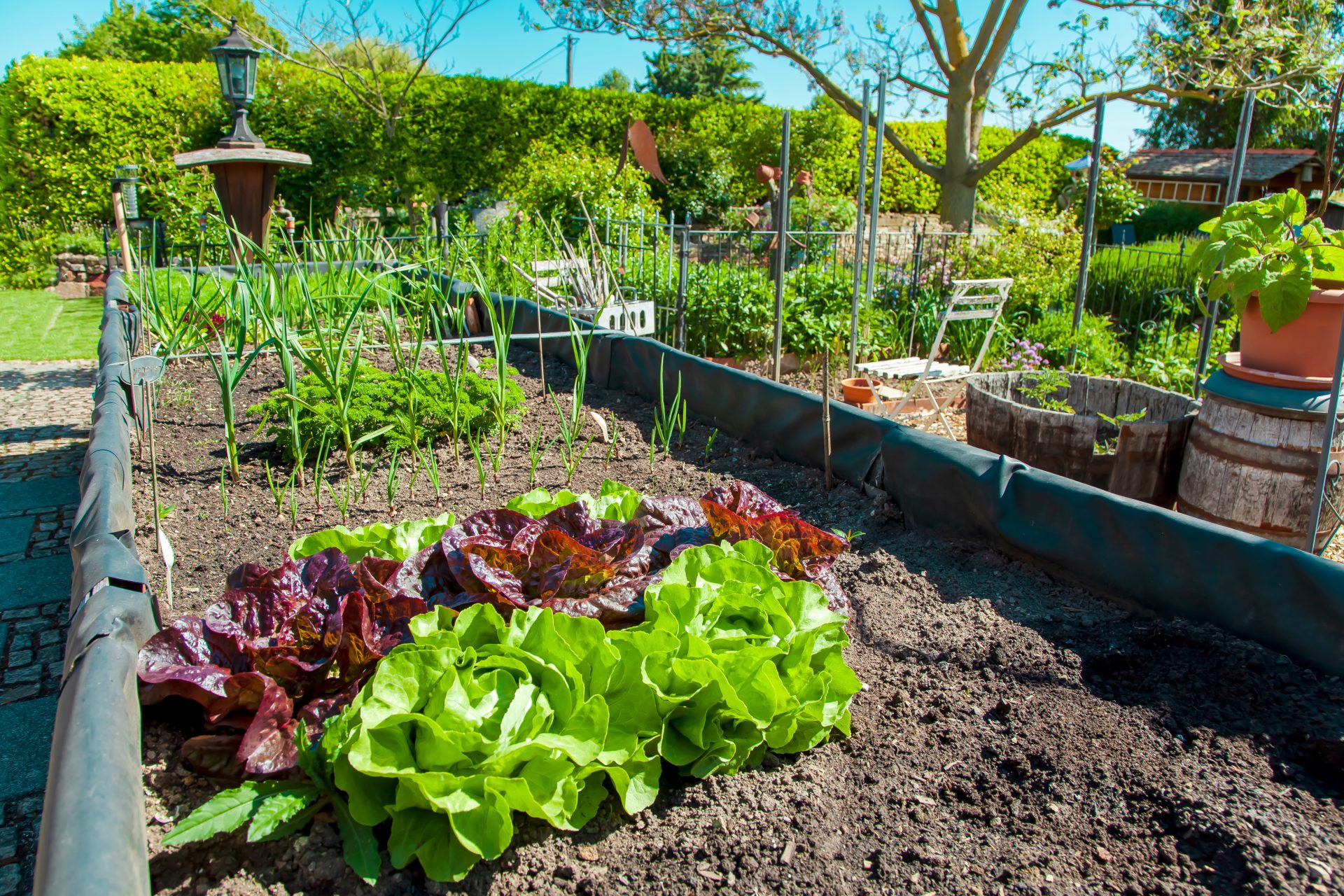
What do you put in your garden beds when they are empty? When the tomatoes are done producing or the salad greens have halted their growth in the summer heat, what takes their place? Why not add something that will give back to the soil which may be depleted from all that growing? Cover crops, that’s the way to go.
There are five recommended seeds that can help soil with nutrients that build. They are: brassicas, cereals, legumes, grasses or chenopods.
Here some examples of each category:
• Brassicas are the cabbages and mustard family plants also named cruciferous.
• Cereals and grasses are rye and wheat and oats.
• Legumes are as crimson clover, hairy vetch, and field peas.
• Chenopods are spinaches, chards, and lambsquarters, for instance.
These cover crops are planted from seed. You can dig a simple furrow and plop the seeds in that alongside garden beds that are almost finished for the summer and might still have some stalks and vines growing. No need to pull those out, just plant right into the bed or next to it with your cover crop seeds. Usually, watering is not necessary to get the seeds sprouted and growing. The most drought resistant crops would be alfalfa and red/white clover.
If the word “crop” confuses you, just think of it as the “blanket” of nutrient rich plants that keep your garden soil intact, open up the soil with complex root systems, and shade it from baking in the sun. Another benefit: weeds are crowded out. Every garden should be covered with some type of plant as it heads into winter. It just makes sense.
When spring comes, you can take a pitchfork and turn the cover crop over and let it break down into the soil on its own. No need to bury it. It is best to turn it over before anything goes to seed after flowering. That prevents new seeds from sprouting when you don’t want any more of that growth. The plant matter of stems, stalks, leaves, etc. all break down into the soil with help from worms and other “digesters.” Everything turns into fertilizer at that stage and it’s just what your garden needs after a summer burst of growth.
Red clover can be planted in winter or spring also. I throw my clover seeds directly on snow in the winter months and it will sprout when the time is right and the soil temps are perfect. Because I believe covering your soil at all times with either mulch, compost, or living crops is best for healthy produce, I never like to see barren garden beds. All that soil needs time to refresh itself and you can help it along. If you don’t, the top soil starts to wash away with heavy rains or it dries up and blows away. You want to keep it all intact while continually adding nourishment.
Another method to improve soil aeration and soil nutrients is to use the “no till” method. Tilling with a walk along rototiller or a big plow compacts your dirt. The weight forces out air pockets which can ultimately hold water and worms. We create walking paths/rows with wood chips alongside the planting rows and avoid walking directly where we plant. If I have to get into a section to pick tomatoes or grab a zucchini, I use a wooden plank that supports and evenly distributes my weight underneath it. The garden beds stay fluffy and light, air filled, worm infested, and roots roaming freely. Try this method and you will see an improvement.
So many gardeners believe they have to strip their garden beds after summer production and then will till in all the spent vegetable matter. Easier ways can be smarter for you and your garden. Use a pitchfork, turn over and under plant matter unless it is diseased, and then throw on your cover crop seeds. Or just throw some cover crop seeds right onto the beds. Hay or straw can cover beds all winter long, too, keeping in moisture. Some weeds will come no matter what method you use because birds or animals carry seeds and drop them, sometimes right in your garden. Fall is a time to get your garden ready for a long sleep; you get to rest, too. But first, a bit of work will give you the best results for the new planting year.
(Karen Cohen is a chemical free gardener living in Greenbrier County, WV. Please email your tips and comments to [email protected]. And Happy Growing!)


